
MRI Associates For Adults
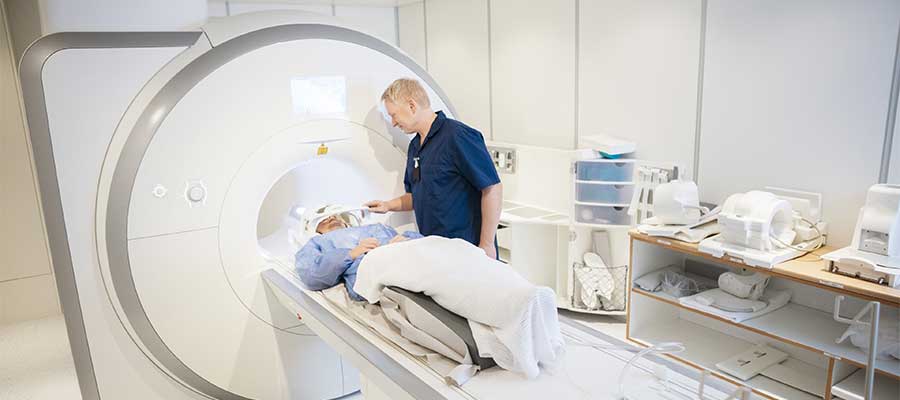
When looking for an MRI Tech School For Adults offering MRI associate’s degree you need to take Pulse Radiology into consideration. As of late the demand for certified MRI Technologist has taken many medical facilities by surprise. It is true, that few saw a pandemic on the horizon. But regardless the need for demand for qualified MRI & CT Techs was already outpacing the number of graduates entering the healthcare industry. One may think that a degree from University of the Pacific may be te path to follow as in the case of with organizations in aerospace. Not when it comes to MRI or CT Techs. As of late medical facilities are seeking for candidates that are ready to fill a position with minimum or no training. That is why there is such high demand for our alumni.
As a national MRI Tech School providing online MRI, CT, and Mammography Structured Education, we can help you advance your career in the field of radiology from a radiologic technologist to an advanced certified technologist in 14 weeks. Also, know that at Pulse Instituted we provide ARRT-approved MRI, CT, and Mammography courses with clinical training in 30+ states nationwide and ASRT for 25+ Category A CE Credits. There has never been a better time to get your MRI technologist associates degree and get going in a high paying career with an average salary of $75k/year with Pulse Radiology Education an MRI Tech School For Adults. Since opening our doors we has been the top choice destination for Professional in the Healthcare field looking for MRI technician online schools. We have now expanded those capabilities by offering degree For Adults.
Post Realted to MRI Associate’s Degree For Adults
Understanding Radiologic Technologist Salaries: Key Factors That Influence Earnings

What You’ll Really Get Paid as a Radiologic Technologist
Sarah had just finished her radiography training and was excited about starting work at a local hospital. But when she got her first job offer, she was surprised at how much the salary offer depended on more than just her degree. She realized that the difference in pay came down to education, specialization, experience—and a few other details she hadn’t expected.
If you’re considering a career as a radiologic technologist, it’s great to know the baseline: according to recent figures, salaries for this role often range between $42,000 and $92,000 per year for many positions. But that’s just the starting point. What really shapes what you take home are several interrelated factors. Understanding them gives you real control over how much you can earn.
Key Factors That Drive Salary Differences
- Education and Degree Level
- Experience and Specialization
What separates someone at the lower end of the pay range from someone nearing the top? It often boils down to a few consistent differences that you can manage or influence.
One of the biggest levers is how far you go with your education. Technologists with more advanced degrees—bachelor’s or higher—often qualify for more complex roles, leadership positions, or specialized imaging responsibilities. These roles typically come with higher pay because they demand more expertise and often involve oversight, teaching, or handling emergencies.
If you’ve got an associate degree, that’s solid and it can land you great entry-level roles. But stepping up to a more advanced degree or adding certifications opens up more opportunities—and more income.
Practice matters. As you spend more time in the field, your skills in patient handling, image quality, scan protocols, safety procedures, and troubleshooting improve. Employers notice this, and they often reward it. Someone with several years of experience—and exposure to multiple imaging modalities—typically earns more than someone who is newer or with narrower experience.
Specializing makes a real difference, too. Technologists who handle MRI, CT, or advanced imaging tasks (e.g., neuroimaging, vascular imaging) tend to be paid more because those skills are in high demand and training is more complex. Certifications in these specializations further boost your negotiating power.
How to Position Yourself for Higher Earnings
- Choose Accredited and Flexible Programs
- Add Certifications and Expand Your Skillset
- Be Smart About Where and How You Work
Knowing what influences pay is one thing; acting on it is what turns knowledge into value. Here are practical steps that align your career decisions with salary growth.
Make sure you attend a program recognized by reputable bodies. Certifications from recognized accreditation bodies signal to employers that you’ve met defined standards. Accredited programs often include sufficient clinical hours—often more than 1,000 externship hours—which helps bolster both skills and confidence. If your program offers online coursework plus strong hands-on clinical training, that flexibility can help you balance life and study without sacrificing quality.
Certifications beyond basic licensing often translate to pay gains. Whether it’s in MRI, CT, advanced pulse-sequences, safety protocols, or even imaging software, additional credentials show you bring more to the table. Also, focus on communication skills, patient care, and professionalism—hard skills are visible, but these soft skills often distinguish you in performance reviews or for leadership roles.
Where you work matters. Urban hospitals, specialty clinics, and high-volume imaging centers tend to pay more than smaller centers or rural facilities. Even within a city, employer type (hospital vs. clinic) and shift type (night, weekend, on-call) influence pay. Sometimes relocating or switching employers (if feasible) can significantly boost your earnings.
Also, keep track of your performance: build a portfolio of the complex scans you’ve done, feedback from supervisors, instances where you’ve saved time or improved outcomes. When negotiating raises or interviewing, being able to show proof of what you’ve accomplished is powerful.
Becoming an accomplished radiologic technologist involves more than just completing required training—it’s about making informed choices at every turn: which program to choose, which specialties to pursue, where to work, and how to grow. If you take active steps in education, certification, experience, and workplace strategy, your earning potential becomes something you can steer rather than just accept.



Why Should You Consider Getting MRI Associates Degree For Adults?

Recent world events underscored something many hospital HR personel already knew. There is a shortage of certified MRI techs in the market. Now is the time to get started on a high paying, high demand career in the healthcare industry as a Radiology technologist. And if you’re in search of an MRI Tech School For Adults offering associate’s degree in MRI? We have something for you! Since launching Pulse Education has been the go-to for MRI looking for MRI technologist programs For Adults. In 2024 we’re offering MRI associate’s degree For Adults considering a career as an MRI technologist.
MRI Technologist are very popular: MRI technology is becoming more commonplace, meaning there are lots of demand for people who know how to use this technology. We see plently job openings for MRI techs, as well as in many areas, there are not enough certified people to fill those spots. If you find yourself registering for these courses, you could find a great deal of incredible opportunities. The ideal career fields are the ones which are seeing lots of growth. This field is growing fast, and yes, it shows no hints of decreasing.